

Thinking traps
Common thinking patterns, also called cognitive distortions, that can make a situation feel heavier than it is. Naming them is the first step to loosening their grip.
-

All-or-nothing thinking
Seeing things in black-and-white categories; if a situation falls short of perfect, it is seen as a total failure.
-
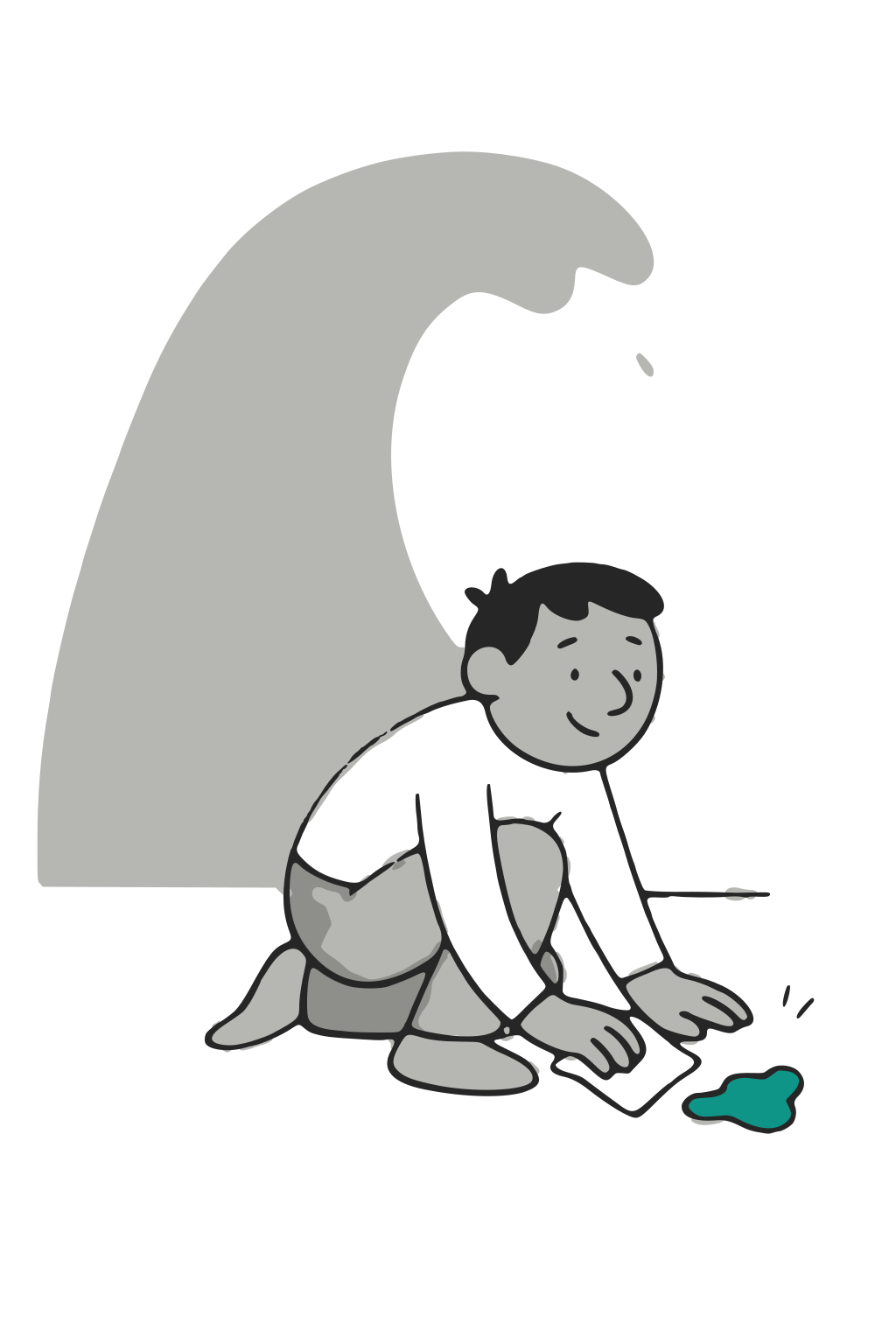
Catastrophizing
Exaggerating the importance or likely consequences of problems, or expecting the worst possible outcome.
-

Disqualifying the positive
Rejecting positive experiences by insisting they "don't count" for some reason.
-

Emotional reasoning
Assuming that negative emotions reflect the way things really are: "I feel it, so it must be true."
-
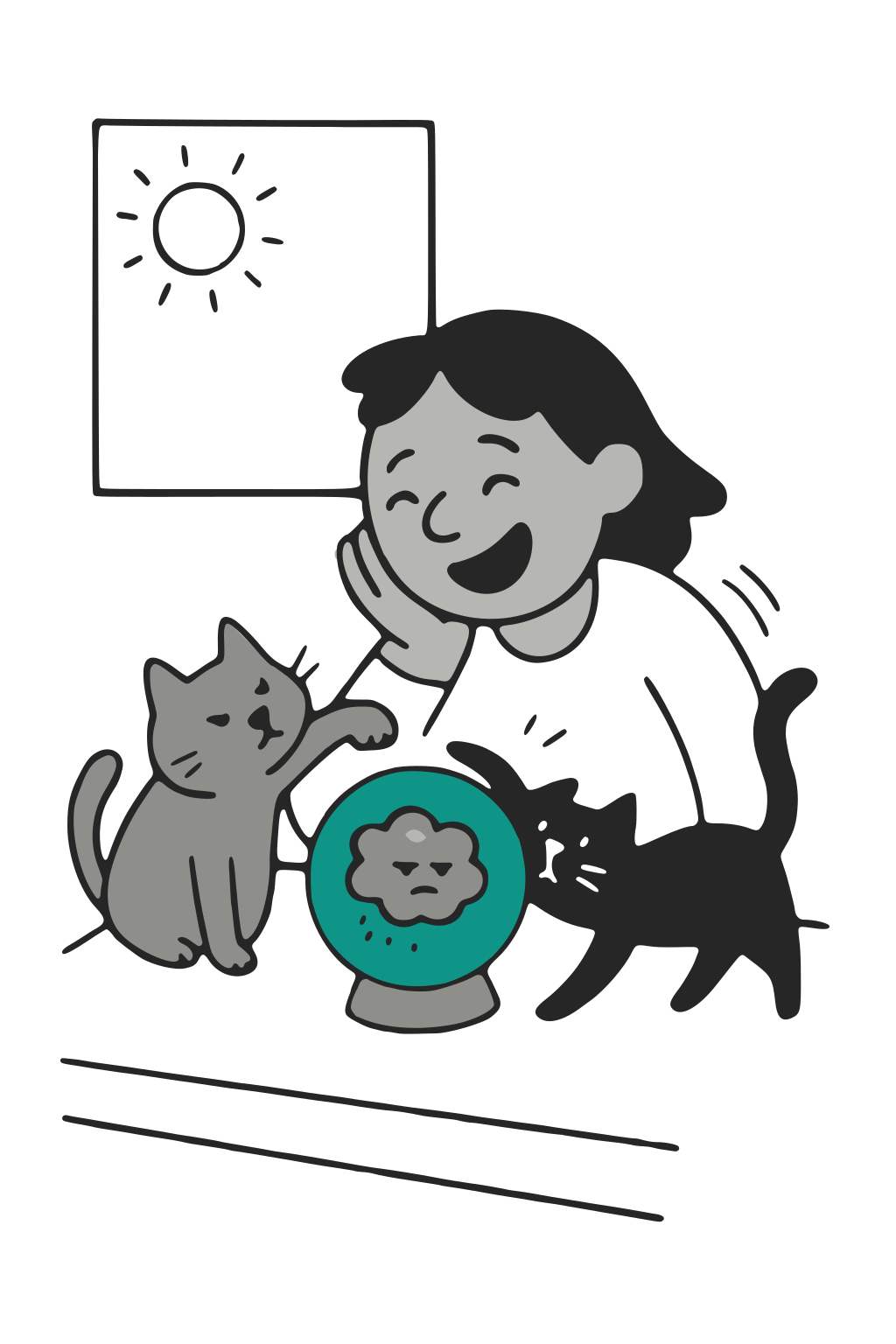
Fortune telling
Anticipating that things will turn out badly and treating the prediction as an established fact.
-

Labeling
Attaching a global negative label to yourself or others instead of describing the specific behavior.
-

Mental filter
Dwelling on a single negative detail so that it colors the perception of the whole situation.
-
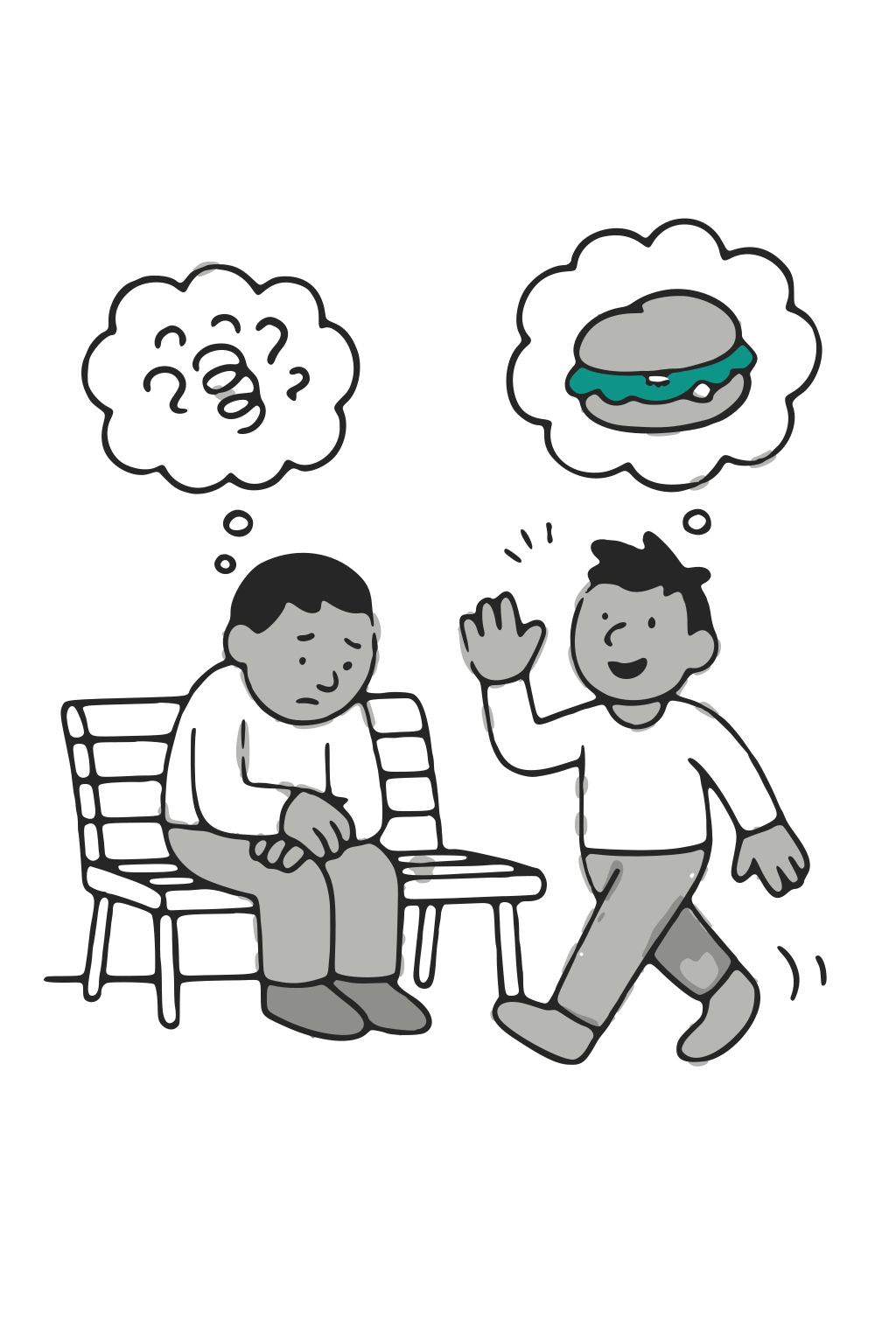
Mind reading
Concluding that someone is reacting negatively to you without checking it out.
-
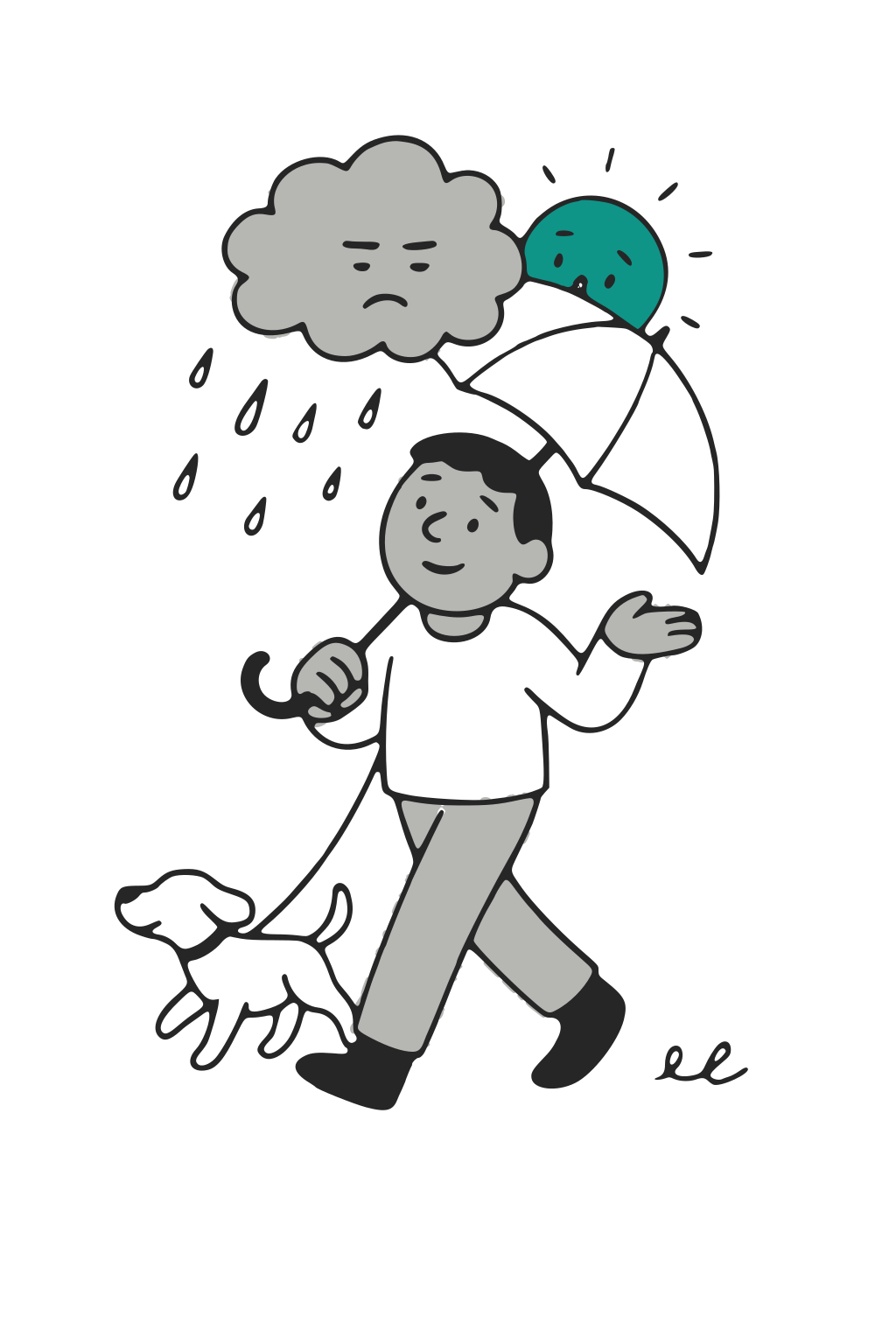
Overgeneralization
Viewing a single negative event as a never-ending pattern of defeat, often using words like "always" or "never".
-

Personalization
Seeing yourself as the cause of a negative external event for which you were not primarily responsible.
-
Should statements
Motivating yourself or judging others with rigid rules about what "should" or "must" happen.