

Thinking traps
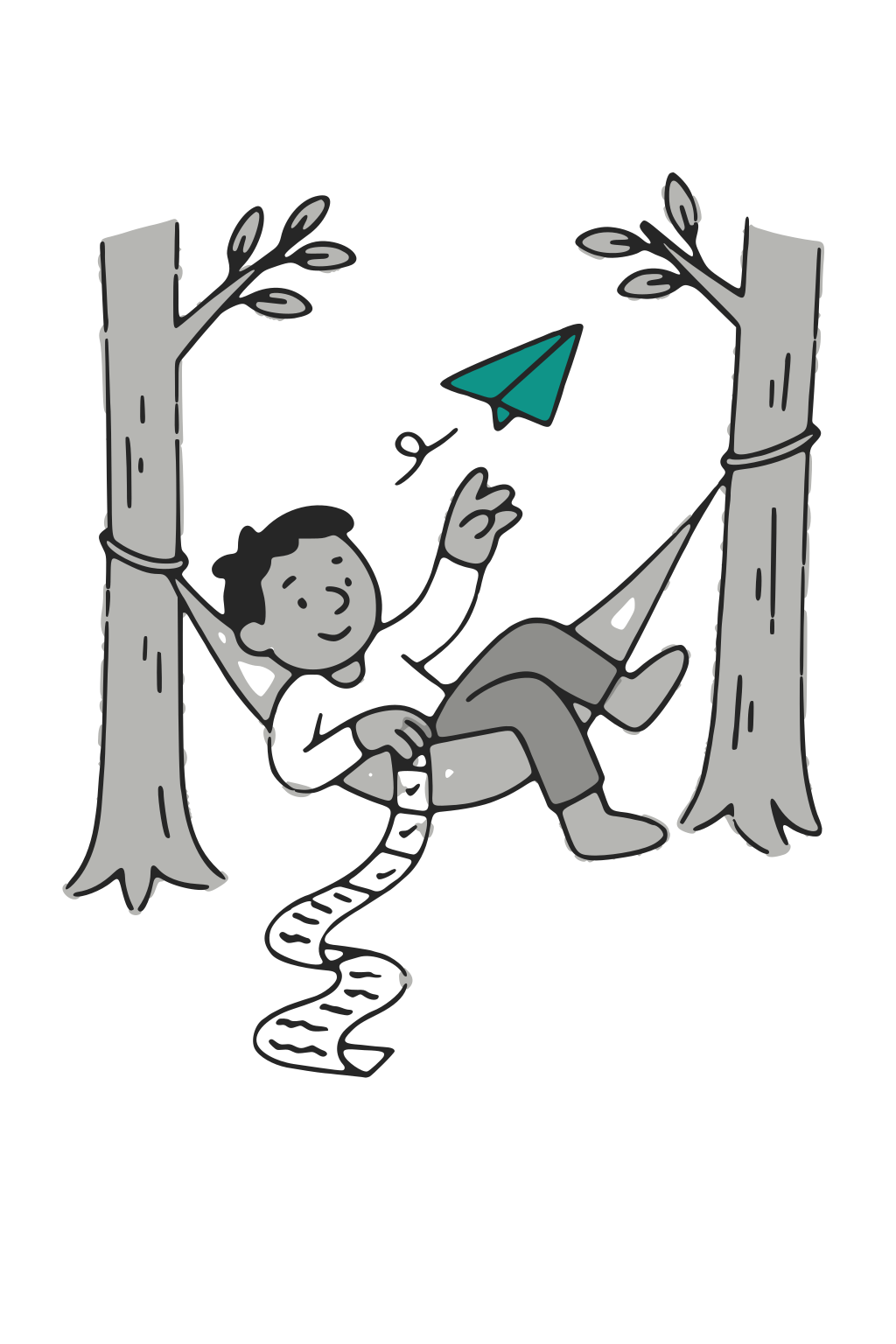
Should statements
Motivating yourself or judging others with rigid rules about what "should" or "must" happen.
Should statements impose rigid expectations on yourself, other people, or circumstances. Thoughts such as “I should never make mistakes,” “They must understand me,” or “I should be over this by now” turn preferences and goals into inflexible demands.
When reality fails to meet those demands, you may experience guilt, shame, anger, or resentment. The rule can also ignore important context, such as your current capacity or another person’s limitations.
Having standards is useful. The distortion lies in treating those standards as absolute and judging yourself or others harshly whenever they are not met. Flexible expectations can support accountability while making room for difficulty and adjustment.
A more balanced perspective: “I want to handle this well. I’m finding it difficult, and I can decide what would help me take the next useful step.”
Notice this in your own thinking?
beckit is a private journal for writing down hard moments, naming the traps that show up, and weighing them against the evidence.
Start your journal