

Thinking traps
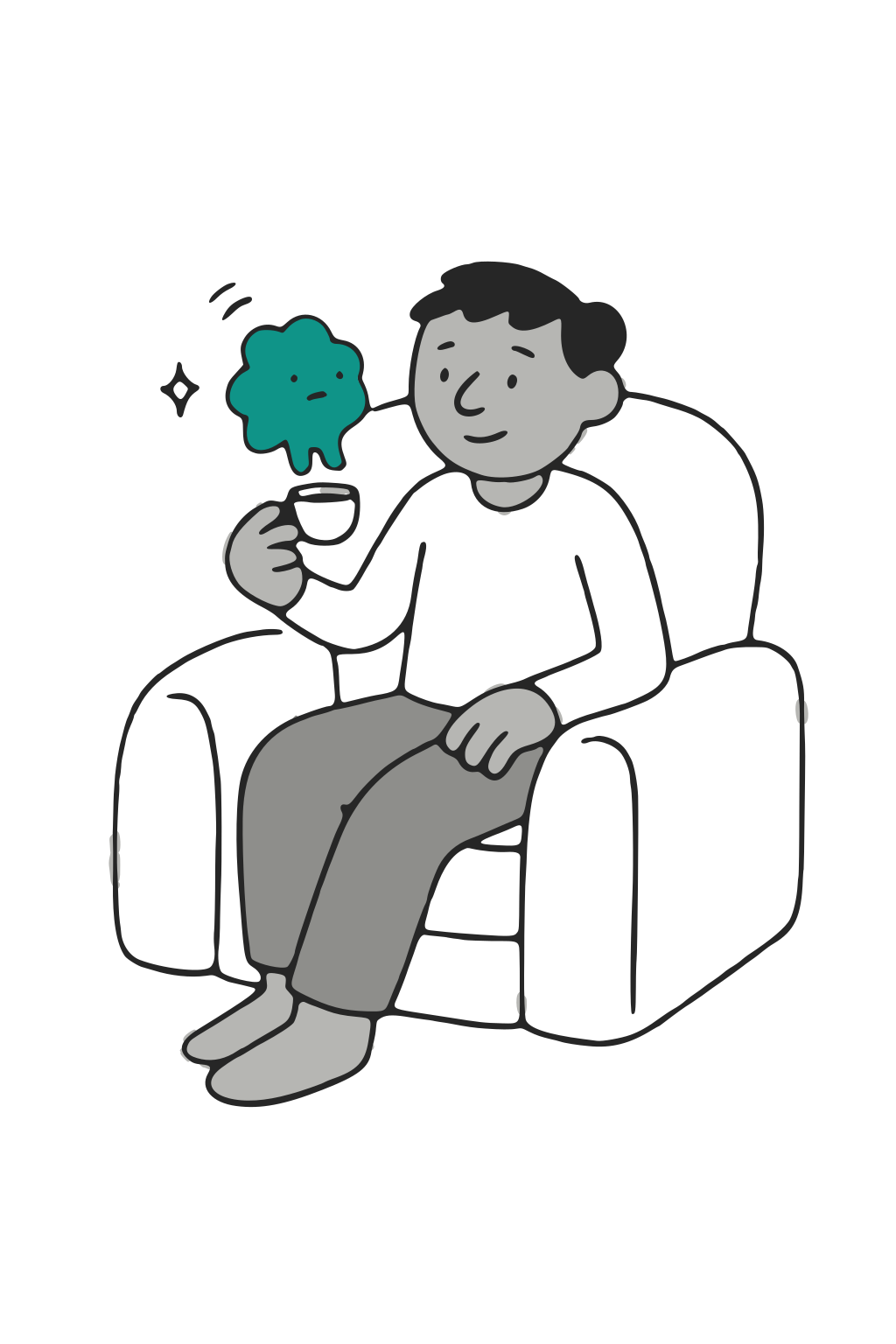
Emotional reasoning
Assuming that negative emotions reflect the way things really are: "I feel it, so it must be true."
Emotional reasoning happens when you treat a feeling as proof of a fact. Because you feel anxious, you conclude that something dangerous is happening. Because you feel guilty, you assume you have done something wrong. Because you feel inadequate, you decide that you are incapable.
Emotions are real experiences, but they do not independently establish what is happening outside you. They can be influenced by past experiences, expectations, stress, and the meaning you assign to an event.
For example, “I feel like I embarrassed myself, so everyone must think badly of me” moves from an internal feeling to an external conclusion without checking the evidence.
A more balanced perspective: “I feel embarrassed right now. That tells me this interaction mattered to me, but it does not tell me how everyone else experienced it.”
Notice this in your own thinking?
beckit is a private journal for writing down hard moments, naming the traps that show up, and weighing them against the evidence.
Start your journal